
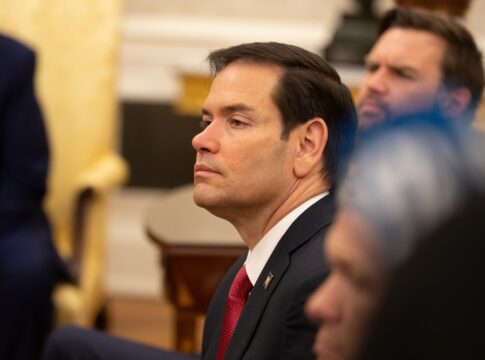
America will host a global ministerial on the resurgence of political terrorism, and the stakes for our security and sovereignty could not be higher.
Story Highlights
- State Department confirmed a July 15 summit led by Secretary Marco Rubio with invitations to 60+ nations.
- Summit targets the resurgence of political terrorism across the Americas, Europe, and Asia.
- Rubio links cartel violence to terrorism and leads a “Shield of the Americas” push on sovereignty and migration control.
- An Iran memorandum of understanding is being discussed, but no final deal is confirmed.
State Department Confirms July 15 Ministerial
The United States State Department confirmed a July 15 summit on political violence, hosted by Secretary of State Marco Rubio. Officials described it as a ministerial focused on the resurgence of political terrorism. The invite list covers more than 60 countries across the Western Hemisphere, Europe, and Asia. The announcement sets clear goals for cooperation against cross-border threats. The timing answers rising concern about disorder and extremist networks. Confirmation came June 26, with details on scope and regions included.
Rubio’s event fits a pattern where diplomacy must move fast, even before final texts are public. The administration is signaling that allies and partners should bring tools, not talking points. Conservatives will see a chance to push back on global chaos that spills over our border and streets. The host role also signals that Washington intends to set terms, not take them. That matters for security, trade lanes, and basic law and order at home.
From Cartels To Political Terror: Defining The Fight
Secretary Rubio has framed cartel violence as terrorism and referenced designations that set a hard legal edge for action. He has paired that view with a broader push called “Shield of the Americas.” The stated aims include protecting sovereignty, controlling migration, and raising prosperity across the region. That framework links border security, crime, and economic stability. It sends a message that safety starts with strong borders and clear laws, not open-door policies that empower gangs.
The legal and diplomatic pieces still have gaps in public view. The administration has not released a unified treaty text. Attendance lists and signed commitments have not been posted yet. These are standard early-stage limits for large ministerials. The risk is that critics will call it all talk. The opportunity is to use the summit to nail down shared definitions, data sharing, and joint actions against violent groups that move weapons, people, and cash across borders.
Building Coalitions While Testing Iran’s Promises
Rubio also described an ongoing memorandum of understanding process with Iran that aims at peace and non-interference. He noted contradictions in Iranian rhetoric, which means no final deal is on the table yet. That candor matters. It shows Washington is engaging but not naïve about proxies or maritime risks. Any real progress will depend on verifiable steps, not hopeful words. The summit can set terms for how states respond when proxies strike or sea lanes are threatened.
Media framing has cast the ministerial as reactive to a resurgence in violence. That line can miss the point. When threats evolve, acting now is the only responsible choice. Waiting for perfect consensus invites more attacks. By pulling in partners from three regions, Rubio is tying together the networks that terrorists and transnational gangs exploit. Information sharing and common legal playbooks make it harder for violent actors to slip through cracks between jurisdictions.
Rubio’s Travel Record And The Work Ahead
Rubio has logged high-level diplomatic travel to dozens of nations, including trips to key allies in Europe and the Middle East. That experience will help drive hard meetings and keep focus on results over speeches. Relationships matter when you ask partners to tighten laws, share data, and seize assets. Travel logs do not stop a bomb or a smuggler, but they show the groundwork for quick calls and fast fixes when crises hit. That can turn promises into action.
🚨The U.S. State Department has announced an international summit to focus on dismantling Far-Left Political Terrorism.
Next week, Secretary of State Marco Rubio will host 60 countries to crack down on Far-Left political violence that falls under the Antifa umbrella.
Finally.… pic.twitter.com/XkfaHMKhhi
— Paul White Gold Eagle (@PaulGoldEagle) July 10, 2026
Success will hinge on simple measures. Do governments share watchlists faster? Do they block terror financing routes tied to cartels and extremist cells? Do they stop illegal crossings that feed criminal labor and trafficking? The administration should publish follow-up steps and timelines after the summit. Clear metrics will prove this is not more global talk. It is a test of whether strong borders, tough laws, and real alliances can make families safer without growing government power.
Sources:
pjmedia.com, x.com, youtube.com