
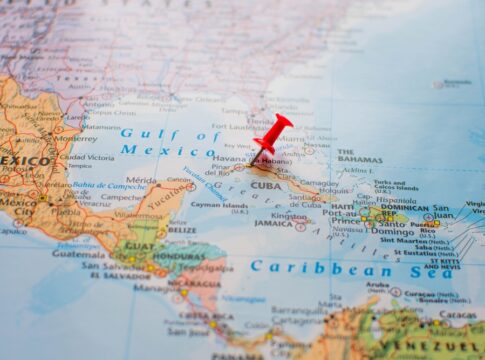
Four Cuban sites packed with powerful antennas are tracking American communications from just 90 miles off Florida, and open-source images show they keep getting bigger.
Story Highlights
- Analysts pinpoint four Cuban facilities with gear suited for signals spying against the United States.
- Biden officials said in 2023 that China has access to spy sites in Cuba, backing years of quiet warnings.
- Cuban networks use Chinese tech to filter and control the internet at home, mirroring China’s Great Firewall.
- Beijing and Havana deny Chinese “bases,” while experts note no unclassified smoking gun of direct control.
Confirmed Facilities and Why They Matter to U.S. Security
Center for Strategic and International Studies researchers identified four Cuban locations—Bejucal, Wajay, Calabazar, and El Salao—with equipment and security features that match signals intelligence sites. Satellite photos show recent upgrades, including larger antenna arrays and hardened perimeters. These stations sit close to U.S. military activity in Florida and along key air and sea lanes. Proximity makes interception easier and faster, which raises concern for the privacy of communications and the safety of our forces.
Wall Street Journal reporting in 2023, citing U.S. officials, said China has access to multiple Cuban listening posts. That confirmation aligned with open-source clues and analyst assessments that tracked technicians and hardware changes over time. The point is not only who “owns” a given compound. The mission risk comes from what the gear can hear and where it is pointed. These facilities sit to watch the United States, not the open ocean.
How Chinese Technology Tightens Cuba’s Control at Home
Congressional testimony in 2025 described how Cuban authorities use Huawei’s eSight network software to filter searches and block content. That mirrors tactics from China’s internet control model and shows a deeper tech relationship beyond antennas on hills. The same companies and know-how that silence Cuban citizens can also enable broader monitoring across the region. Americans should care because oppressive tools do not stop at borders. Regimes test them on their own people, then point them outward.
Witnesses also told lawmakers that Chinese telecom technicians likely helped build parts of Cuba’s signals systems. That fits the pattern of cooperation seen in other regions where Chinese providers supply equipment and support services. While these accounts come from testimony rather than released technical logs, they track with the hardware visible at the four sites and the consistent growth in capability. Together, those strands show a working partnership that advances surveillance reach near our shores.
Denials, Evidence Gaps, and What We Actually Know
Beijing and Havana both deny that China runs spy bases in Cuba. Analysts also state there is no unclassified “smoking gun” of direct Chinese command and control at the named sites. Those points are fair and must be clear. But denials do not erase the photos, the upgrades, or the 2023 acknowledgment by U.S. officials of Chinese access. The public record supports a serious, near-term surveillance threat despite the lack of declassified control documents.
This mix of proof and gaps calls for steady policy, not panic. The facts justify stronger counterintelligence, stricter tech scrutiny, and tighter export and investment rules that block hostile regimes from placing ears and eyes on our doorstep. It also argues for hardened military and commercial communications and tougher penalties on any company that helps Cuba’s security services copy China’s Great Firewall. Free speech at home depends on stopping foreign control tools from spreading here.
What the Trump Administration Can Do Next
Homeland and defense leaders can expand monitoring of these four sites, surge spectrum defenses near Florida bases, and speed encryption upgrades for air, sea, and space links. The administration can sanction entities that provide filtering software or specialized antennas to Cuba’s security services. Congress can mandate declassification reviews to reveal more about Chinese access without burning sources. Clear facts build unity, deter adversaries, and keep the focus on protecting American forces and families.
Bottom Line for Readers
China’s partnership with Cuba brings hostile surveillance to our backyard. The gear is visible, the upgrades are real, and U.S. officials have already acknowledged Chinese access. Denials from communist regimes are not a defense of American liberty. Secure borders, secure comms, and a free internet start with saying no to foreign spy tech next door—and backing that stance with policy, sanctions, and hardening that match the threat.
Sources:
miamiherald.com, homeland.house.gov, csis.org