
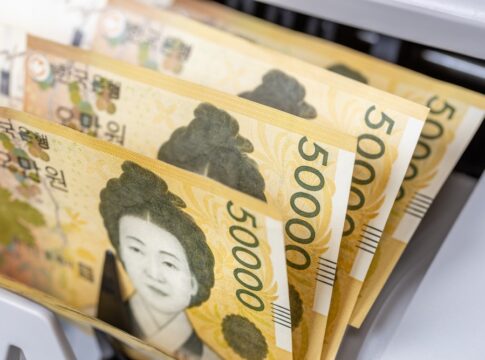
Foreign funds dumped Korean stocks for a 20th straight session as the won sank to its weakest since the 2009 crisis, flashing a warning for U.S. savers and retirees watching global markets.
Story Highlights
- Foreign investors sold 3.5 trillion won in one day, extending a 20-session sell streak.
- The won hit crisis-era levels near 1,539 per dollar during Friday trade.
- Kospi plunged over 5% as outflows overwhelmed buyers.
- Officials and analysts split on drivers: foreign selling vs. local dollar demand.
Foreign Selling Slams Stocks And The Currency
Yonhap and local reports said foreign investors sold a net 3.5 trillion won in Korean equities on Friday, their 20th straight day of net selling. That wave lined up with a sharp fall in the won, which slid to levels not seen since 2009. An economist at KB Kookmin Bank linked the drop to strong dollar demand tied to those stock exits, underscoring how equity outflows can hit currencies fast in open markets.
The Korea Herald reported the main stock index fell 5.54% the same day, reflecting how sellers controlled the tape and forced funds to raise dollars. A broadcast segment covering the session said foreigners unloaded more than 2 trillion won in the morning alone, showing stress built early and never eased. These figures track with a broader pullback from emerging markets this year as money rotates toward perceived safety.
Why The Won Buckled: Flows, Dollar Demand, And Momentum
Analysts pointed to a simple chain: investors sell stocks, convert won to dollars, and push the exchange rate weaker. Once the currency drops, risk models can force more selling, and the loop feeds on itself. South Korea’s export strength could not offset this pressure on the day. Authorities also probed “speculative trading,” but the sheer size and speed of the outflows suggest primary pressure came from portfolio shifts, not just rumor or small-time bets.
Reuters highlighted a different angle earlier this year: many Korean retail investors piled into United States stocks, lifting local dollar demand and putting steady pressure on the won. A finance ministry source tied the weakness in part to record local dollar deposits, while the Korea Securities Depository showed large household holdings of foreign shares. That lens does not erase the foreign selling data; it adds a second hose spraying dollars out of the market.
What Matters For American Readers: Energy, Inflation, And Savings
Global currency swings can hit American families in real ways. A weaker won can cheapen some imports but threaten supply chains, chip output, and market stability. When foreign markets wobble, U.S. retirement accounts feel it through exchange-traded funds and tech exposure. Stronger demand for dollars can lift the greenback, weigh on commodity prices for a time, then snap back. These crosscurrents can fuel price spikes that punish fixed incomes and anyone living on a tight budget.
🚨SOUTH KOREAN MARKET JUST SAW ANOTHER BLOODBATH:
The KOSPI plunged nearly -8% on Thursday, driven by surging fears over the durability of the leverage-driven AI trade.
SK Hynix, lost almost -15% and Samsung Electronics, fell -9%, with the two chipmakers combined erasing $290… pic.twitter.com/amZBEP84Zw
— Global Markets Investor (@GlobalMktObserv) July 2, 2026
Conservatives should also watch the policy story. Big outflows often follow mixed signals, heavy regulation, or bets on future bailouts. Markets reward clear rules, sound money, and limits on runaway spending. The lesson is simple: trust is capital. When governments blur the line with ad hoc probes or late responses, investors move first and ask questions later. Strong, predictable policy protects savers far better than flashy press events after the damage is done.
Sorting Competing Claims Without Spin
The hard facts show foreigners sold heavily for weeks and the currency hit crisis-era lows the same day. Those numbers are not in dispute. The debate is about weight. Some say foreign capital flight led the move. Others point to steady local dollar buying by households reaching for United States stocks. Both forces can be true at once. Friday’s slump looks like a foreign-led hit, while the longer slide reflects ongoing domestic dollar demand pressing the system every week.
Evidence gaps remain. No public data confirm a specific “risk model shock,” and reports do not quantify resident selling during the exact 20-day window. Future releases from the central bank or the market watchdog could settle that. Until then, the cleanest read is this: heavy foreign selling triggered a sharp break, and persistent local dollar demand likely kept pressure high. Policymakers who value stable money should keep data transparent and rules consistent.
Bottom Line For Patriots Protecting Their Nest Egg
Friday’s rout in Seoul is a reminder that markets punish excess and mixed messages. Sound policy, energy independence, and secure borders build confidence and keep capital at home. For investors, spread risk, keep cash for shocks, and avoid leverage that a fast dollar move can crush. For leaders, the job is clear: defend stable money, tell the truth with data, and stop gimmicks. When government respects markets, families keep more of what they earned.
Sources:
zerohedge.com, qazinform.com, youtube.com, instagram.com