
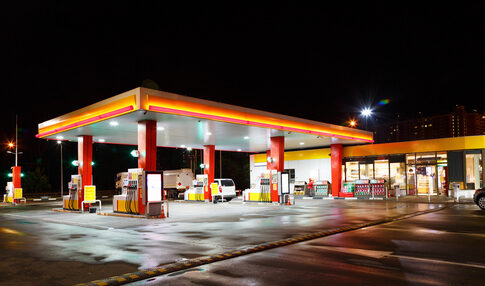
Thailand’s government is preparing to restrict petrol station operating hours overnight in response to Middle East conflict threats to global oil supplies, raising concerns about energy security vulnerabilities and government intervention in daily commerce.
Government Imposes Fuel Rationing Amid Global Tensions
Prime Minister Anutin Charnvirakul announced April 7, 2026, that Thailand will implement mandatory overnight closures of petrol stations from 10:00 p.m. to 5:00 a.m. beginning after the Songkran holiday period ends April 20. The restrictions aim to preserve domestic oil reserves as Middle East conflicts threaten global supply chains. During closure hours, stations will offer only E20 petrol and B20 diesel, forcing consumers to adjust travel and refueling patterns. The government is invoking authority under the Emergency Decree on Remedying and Preventing Fuel Shortages of 1973 to implement these conservation measures.
Energy Security Concerns Drive Policy Shift
The Thai government’s decision reflects growing anxiety about energy independence as escalating Middle East tensions create supply vulnerabilities. Prime Minister Anutin simultaneously ordered the Energy Ministry to review refinery margins and fuel pricing structures while establishing a new Centre for Administration and Monitoring of Middle East Conflict. This represents a significant expansion of government control over energy markets, with officials citing national security justifications. The timing deliberately avoids disrupting the major Songkran travel period, when millions of Thais return to hometowns, demonstrating political sensitivity to public convenience despite stated emergency conditions.
Business Operations and Consumer Impact
Petrol station operators face immediate operational challenges as they prepare for restricted hours after April 20. The mandatory closures will force businesses to adjust staffing models and revenue projections while maintaining infrastructure for limited overnight service. Night-shift workers, emergency travelers, and commercial transport operations will experience reduced fuel access during critical hours. While the government frames these measures as temporary responses to Middle East instability, the creation of new monitoring bureaucracy and invocation of 1973 emergency powers suggest potential for extended restrictions. The lack of consultation with industry stakeholders or economic impact assessments raises questions about implementation planning.
Constitutional and Economic Concerns
The government’s reliance on decades-old emergency decree authority to restrict private business operations highlights concerning expansion of state control over commerce. Thailand’s approach contrasts sharply with free-market principles that prioritize consumer choice and business autonomy. The Energy Ministry’s simultaneous review of pricing structures and refinery margins suggests broader government intervention in energy markets beyond stated conservation goals. Limited transparency about enforcement mechanisms, duration of restrictions, and criteria for lifting measures compounds concerns about government overreach. The absence of private sector input in policy development reflects top-down decision-making that dismisses market-based solutions to energy security challenges.
Sources:
Thailand weighing overnight petrol station closures to save fuel: PM – Nation Thailand
Thailand PM orders night fuel station closures after April 20 – ASEAN Now