
New York City’s two-year rent freeze risks shrinking housing supply and worsening living conditions while politicians claim victory.
Story Snapshot
- A seven-to-one board vote froze rents on about 1 million stabilized apartments for two years [1][2][3].
- Supporters promise relief; critics warn deferred maintenance, fewer vacancies, and rising market rents [3][4].
- Landlords face rising insurance, fuel, and tax costs that a freeze does not cover [4][7].
- Experts say benefits today could undermine building viability tomorrow [5].
What The Freeze Does And Who It Hits
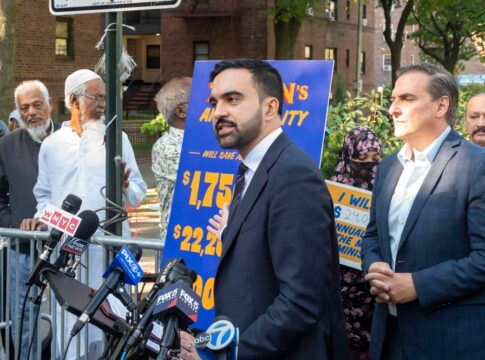
New York City’s Rent Guidelines Board voted seven to one to freeze rents for both one- and two-year renewals on roughly 1 million rent-stabilized apartments, or a little over 40 percent of the city’s rentals [1][2][3]. The freeze applies to leases starting on or after October 1, 2026, which means tenants renewing this fall will see no increase. Mayor Zohran Mamdani called it a historic win for tenants. Many renters, facing higher prices for food and energy, asked for this outcome at public hearings [2].
Realtor.com reported that a two percent hike would have cost the average stabilized tenant about four to five hundred dollars a year, so the freeze saves that amount for many families [4]. But the same data show average collected stabilized rents trail legal limits, and owners say costs keep rising. Insurance has climbed, and fuel and taxes do not pause for politics. That gap creates pressure on upkeep, which is the plumbing, heat, roofs, and safety systems families count on [4].
Costs, Maintenance, And The Supply Squeeze
Politico noted the board’s report showing owner incomes rose 6.2 percent while costs rose 5.3 percent, a figure tenant advocates used to argue owners can absorb a freeze [7]. Yet that snapshot does not buy a new boiler or fix a leaky roof if cash flow dries up. The New York Times reported strong opposition from the real estate sector, warning a freeze will weaken property maintenance across older buildings that hold much of the city’s working-class housing [3]. When owners defer repairs, living conditions slide, and units drop out of service.
Realtor.com’s analysts warned of fewer vacancies as people stay put, with pressure then shifting onto the 60 percent of market-rate units [4]. That can push market rents higher and narrow choices for new families, young workers, and recent arrivals seeking a start. Fewer available units means more bidding wars and longer apartment hunts. That is the opposite of mobility and the opposite of real affordability. Freezing a large piece of the market does not grow inventory. Building more homes and cutting red tape does.
Expert Warnings About Long-Term Viability
Vital City, which includes a member of the Rent Guidelines Board, wrote that a freeze may help in the short term but “aggravates the long-term channel of viability,” asking if much of the stabilized stock will still be standing and habitable by 2046 [5]. That is the core risk. When policy blocks revenue but leaves expenses free to climb, the math fails over time. Small and mid-size owners, often family businesses, bear the brunt. They cannot print money. They skip improvements, warehouse units, or sell to deep-pocket investors.
Supporters frame the freeze as simple relief after years of high inflation. The board heard many tenants say incomes lag bills and a hike would hurt. That pain is real, and leaders must hear it [2]. But policy must solve the cause, not only the symptom. The city needs faster approvals, legal protection for new construction, and tax and insurance reforms. That approach grows supply and lowers prices without gambling on the health of aging buildings where most working families live.
Process Concerns And Missing Data
The seven-to-one vote looked decisive, but it did not end debate. Politico reported that an owner representative resigned, saying outcomes felt predetermined, and that the board publishes owner cost and income data but not tenant-focused long-term metrics [7]. Supporters also talk about “billions saved,” yet no audited study backs that claim. Only per-tenant savings in the hundreds are documented so far [4]. Good policy needs full numbers on both sides, not slogans and social clips.
Mayor Mamdani opens his freezer on social media to break down rent freeze for stabilized apartments https://t.co/RzVRa6Gcj1 pic.twitter.com/I0PaM6iQvr
— Eyewitness News (@ABC7NY) June 27, 2026
New York conservatives know quick fixes often backfire. Rent freezes feel good now, then leave families with broken elevators, cold apartments, and fewer choices later. This vote covers more than one million homes, so the stakes are high. City Hall should release a full impact study that tracks unit conditions, vacancies, and costs for five years. If leaders believe the freeze helps, they should prove it with data and adjust fast if buildings start to fail.
Sources:
[1] Web – Mamdani Stans Insist Rent Freeze Good: Landlords Will Provide Services …
[2] Web – Mamdani’s rent freeze is official. One chart shows who stands to …
[3] Web – New York City freezes rents for 1 million apartments in Mamdani …
[4] Web – Mamdani’s Rent Freeze Is Approved by New York City Board
[5] Web – Zohran Mamdani’s New York City Rent Freeze Passes – Realtor.com
[7] Web – [LINK IN BIO] In a historic 7-1 vote, New York City has enacted its …